
How to plan a renovation budget for a fixer-upper
A fixer-upper can be a great deal or a money pit. The difference is usually how well the work is scoped and prioritized before closing.
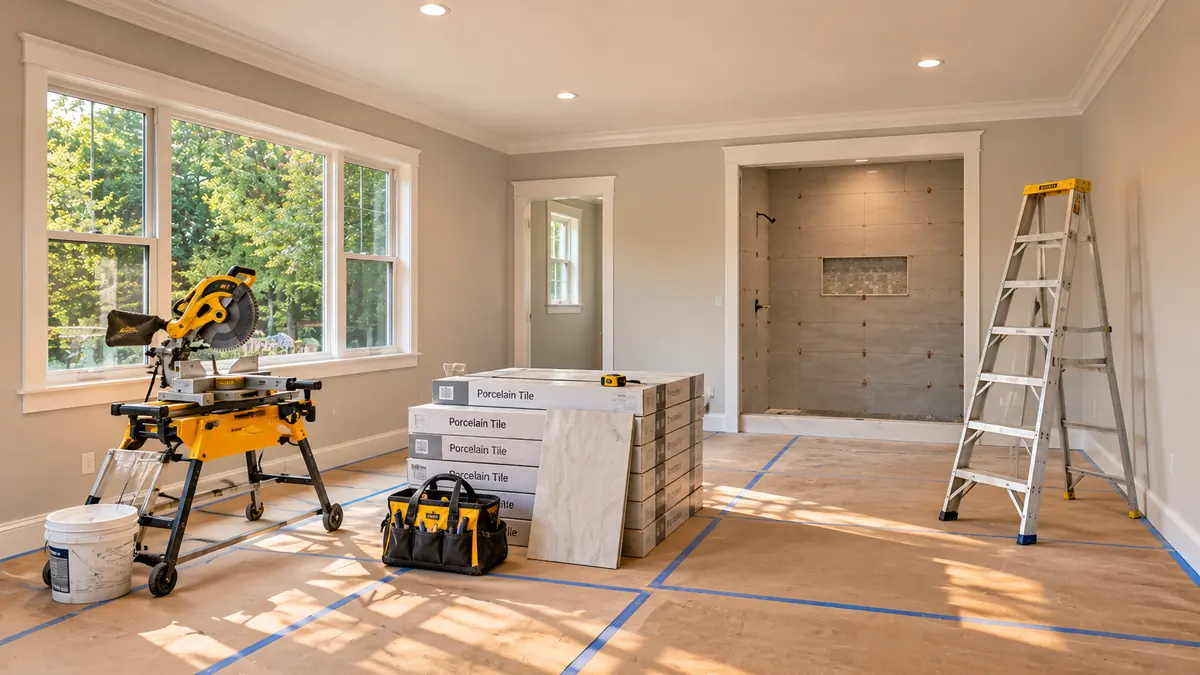
The first rule: look before you buy
If you are still shopping, the most valuable step is getting a contractor and a home inspector through the house before you commit. An inspector will find defects. A contractor can tell you what it will take to fix them and what order makes sense. Together they give you a realistic picture of the work.
Look first at the expensive categories: foundation, structure, roof, moisture, plumbing, electrical and heating. These can quietly decide the budget. Cosmetic items such as paint, floors and fixtures are the easy parts.
Sort work into three buckets
- Safety and structure: anything that affects the house standing up, staying dry or being safe to live in. This comes first.
- Systems: plumbing, electrical, heating and cooling, and insulation. These are mostly hidden but critical.
- Finishes and style: kitchens, bathrooms, flooring, paint and trim. These are visible and tempting, but they come last.
Build a contingency
Older houses hide things behind walls and floors. Even with a good inspection, expect surprises. Many experienced renovators hold back a meaningful cushion, so that a hidden problem does not derail the whole project. The size of that cushion depends on the age and condition of the house and how much will be opened up.
Treat the cushion as part of the budget, not extra. If it is not used, you can spend it on upgrades at the end.
Phase the work
You do not have to do everything before moving in, or all at once. A smart sequence is to handle safety, structure and systems first, then the rooms you use daily such as the kitchen and bathroom, then secondary spaces. Plan so that earlier work is not torn up later. For example, do plumbing and electrical rough-ins before you finish walls and floors.
Our page on fixer-upper renovation describes how we approach this kind of project, and home renovation covers whole-house work.
Where money is best spent
- Fixing water problems at the source.
- Updating unsafe electrical and plumbing.
- Kitchens and bathrooms, which buyers and families value most.
- Flooring and paint for visible impact.
- Energy efficiency such as insulation and air sealing.
Be careful with value assumptions
Do not assume every dollar spent returns a dollar in value. Over-improving for the neighborhood rarely pays off. Check what similar renovated homes nearby offer and aim for the level of finish that fits the area and your plans. If you plan to live there for years, you can spend more on things you will enjoy.
A real estate agent and an appraiser can help you think about value. We can help you understand the work and its cost.
Work with a contractor early
Bring in a contractor before the offer deadline if possible. A walkthrough with an experienced eye can save thousands in surprises. Call (336) 654-1130 to arrange a visit. Also read how to hire a remodeling contractor and our guide to Alamance County building permits.
A sample order of operations
- Close on the house, with inspection findings in hand.
- Address water, roof and structure.
- Update electrical, plumbing and heating where needed.
- Insulate and air-seal as walls are open.
- Replace windows and doors if they are failing.
- Finish walls, floors and trim.
- Install kitchen and bathroom finishes.
- Handle landscaping and exterior touches last.
Living there or not
Decide whether you will live in the house during renovation. If you do, plan for at least one working bathroom and a kitchen setup, and keep a safe, clean area. Living on site can save rent, but dust, noise and disruption are real. If you can stay elsewhere, the work may go faster and with less stress. We can talk through both approaches.
Financing and paperwork
Renovation loans, home equity lines and cash each work differently, and lenders may have rules about draws and inspections. If you are using a renovation loan, ask the lender what documentation they require from the contractor. We can provide a clear, itemized written scope to support that. A financial advisor or lender can help you choose the right path. We are not financial advisors, and we recommend getting independent advice on financing.
Keep a project file
- Inspection report and photos from before work begins.
- Written scope and any changes.
- Permits and inspection records.
- Receipts and product information for warranties.
- Photos of walls before they are closed up.
- Contacts for every trade who worked on the house.
Get written scopes for each phase
Break the renovation into phases and ask for a written scope for each. Phase one might be roof, drainage and structure. Phase two might be electrical, plumbing and heating. Phase three could be kitchen and bathrooms. This gives you clear decision points, makes financing easier to manage and lets you pause between phases if needed.
Keep the scopes consistent, so you can see how choices in one phase affect another. For example, a new kitchen layout may change plumbing and electrical rough-ins that you want to do in phase two.
Mistakes first-time renovators make
- Spending on finishes before fixing structure or water problems.
- Skipping permits to save time.
- Not leaving a cushion for surprises.
- Choosing the lowest bid without comparing scopes.
- Changing the plan after walls are closed.
- Underestimating how long the work takes.
Be honest about your skills and time
Do-it-yourself work can save money on simple tasks such as painting and demolition. But electrical, plumbing and structural work usually need qualified trades and inspections. Decide what you can safely handle and what to hand off. If you are unsure, ask us. We are glad to take on only the parts you want help with.
Review the plan every few weeks
A renovation budget is a living document. Review it with your contractor at regular points, compare spending with the plan and adjust the next phase based on what was found. Small, regular check-ins prevent large surprises.
Questions we hear on the phone
Short answers to what callers ask most. Call if yours is not here.
What should I fix first in a fixer-upper?
Safety, structure and water problems, then systems, then finishes.
How much contingency should I hold?
It depends on the house. Older homes with lots of hidden areas need more.
Can I live in the house during renovation?
Sometimes, if kitchen, bathroom and safety are working.
Should I get a contractor before I buy?
If possible, yes. It reveals costs early.
Related services
Tell us about your project.
Call and we will schedule your estimate.