
Tub resurfacing in Burlington, NC
If your tub is stained, rough or dull but the structure is fine, resurfacing can give it a fresh surface without the cost of a replacement.
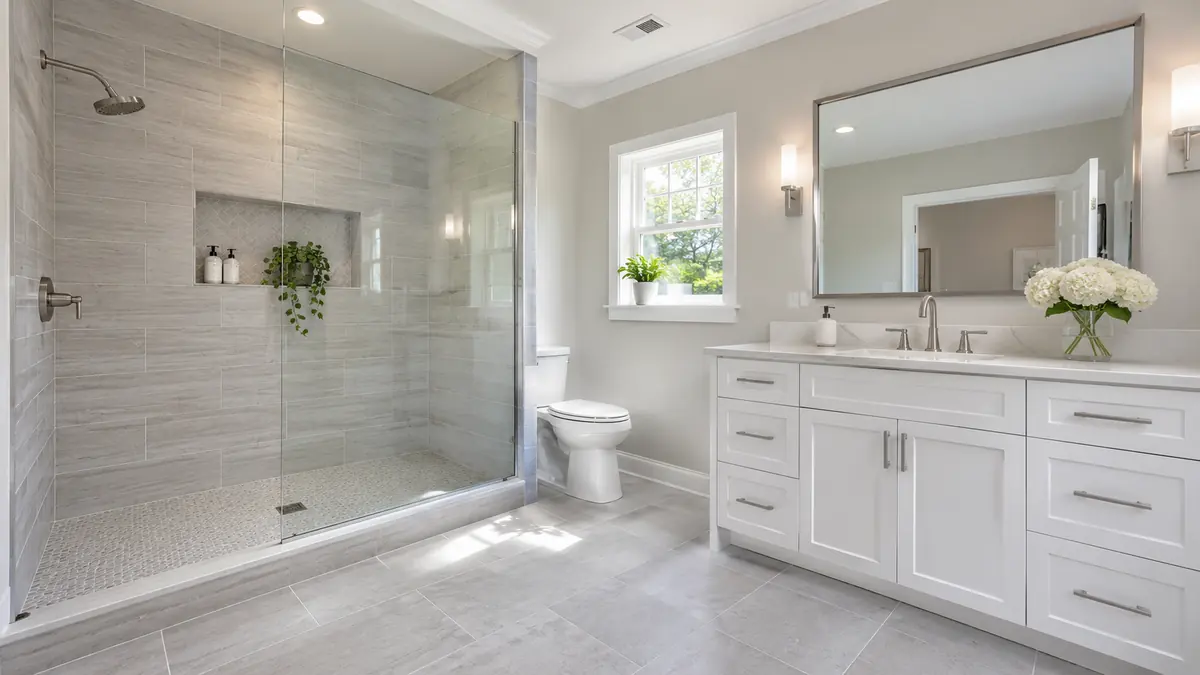
How resurfacing works
Resurfacing, also called refinishing or reglazing, puts a new coating over the old surface of a tub or tile. The old surface is cleaned, repaired, etched so the new coating bonds, then sprayed or rolled with a durable finish. When it works, the tub looks new, feels smooth and is easier to clean. It is a much faster and less messy job than tearing out a tub, which often means breaking tile walls and repairing plumbing.
Resurfacing is not magic. It cannot fix a tub that is cracked through, rusted out or loose in its alcove. It cannot make a leaking drain stop leaking. And it needs to be done carefully, since the bond between the old surface and the new coating depends on preparation.
When resurfacing is a good choice
- The tub is structurally sound but stained, dull or rough to the touch.
- There are small chips or scratches that can be filled.
- You like the tub's size, shape and location and just want a new surface.
- You are planning to sell and want a clean look without a full remodel.
- The tile surround is intact but the color is dated.
When replacement is better
If the tub flexes when you step in, if there are cracks that leak or if the enamel is peeling in large sheets, a new tub is a better investment. Also, if you want a different style, such as a walk-in shower, see tub-to-shower conversion or walk-in shower conversion. We help you decide based on what we see.
The steps
- Inspect the tub and surround for cracks, rust and loose areas.
- Repair chips and cracks with filler, and sand to a smooth finish.
- Clean and etch the surface to remove soap scum and prepare the finish.
- Mask fixtures, tile and the surrounding room, and ventilate the space.
- Apply the coating in thin coats according to the product instructions.
- Allow the surface to cure for the time recommended before use.
- Review care: soft cleaners, no abrasives and no standing water for a period.
Ventilation and curing
Resurfacing products can have a strong odor while they cure. Good ventilation is necessary, and we plan the work so the room is closed off and air is moved outside. Families with sensitivities, children or pets should plan to be elsewhere during the application and curing. The tub cannot be used for a day or more after, depending on the product.
Caring for a resurfaced tub
Use non-abrasive cleaners and soft cloths. Avoid harsh chemicals. Do not leave rubber mats or suction items stuck in place for long periods, since they can trap moisture. Fix dripping faucets so the surface is not constantly wet in one spot. For other shower surface repairs, see shower restoration.
What to expect during and after
On the day of work, the bathroom will be closed off, and plastic and tape will cover surfaces around the tub. The work involves sanding, cleaning and spraying, so the room will have an odor. Windows may be opened and a fan used to move air out. After spraying, the tub needs to cure, and you will not be able to use it for the period given by the product, commonly a day or longer.
In the first weeks, avoid abrasive cleaners, rubber mats and long soaks in very hot water. Hold off on hanging items that may rub the surface. If you notice any peeling, bubbling or rough spots, call and we will tell you how to proceed.
Cost versus replacement
Resurfacing costs a fraction of a replacement and avoids demolition. But if a tub is dull because the enamel is worn through to bare metal, or the surround behind it is failing, the savings may not hold up. An honest assessment at the start helps you decide where to invest.
Questions we hear on the phone
Short answers to what callers ask most. Call if yours is not here.
How long does a resurfaced tub last?
It depends on the product, the prep and the care you give it. We explain realistic expectations.
Can you change the color?
Usually, within the colors available for the coating.
Can you resurface tile too?
Yes, tile can be refinished, though grout lines will remain visible.
Is resurfacing cheaper than replacing?
Often yes, but only if the tub is sound.
Related services
Tell us about your project.
Call and we will schedule your estimate.