
LVP flooring installation in Burlington, NC
Luxury vinyl plank looks like wood and handles water like a dream. It is one of the most requested floors we install.
What LVP is
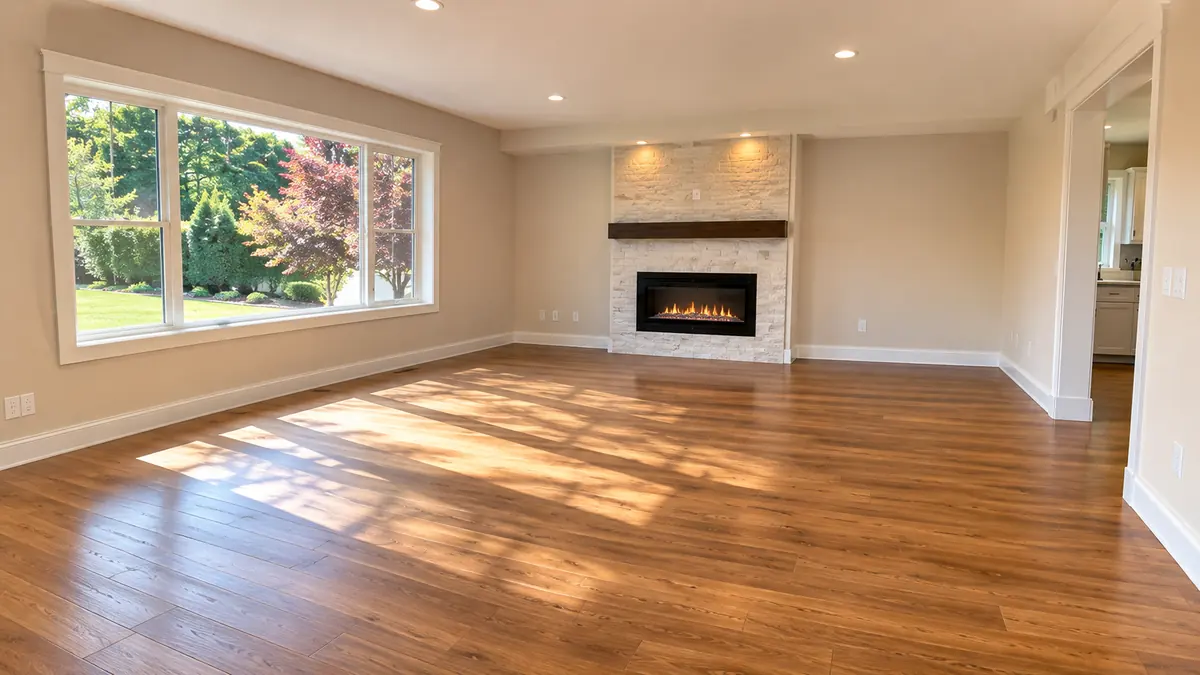
Luxury vinyl plank, usually called LVP, is a layered floor made of a rigid or flexible core, a printed design layer and a clear wear layer on top. The design layer can look like oak, hickory, slate or concrete. The core resists water. That makes LVP a strong choice for kitchens, bathrooms, laundry rooms, basements and anywhere spills or humidity are a concern.
There are two common types. Rigid core planks click together and float over the subfloor. Flexible planks may be glued down. Both can be installed over most clean, flat surfaces, which makes LVP faster to install than tile or hardwood.
Why people choose LVP
- Water resistance: spills sit on the surface and do not damage the core.
- Comfort: warmer and softer underfoot than tile.
- Look: convincing wood and stone designs.
- Durability: wear layers resist scratches and dents from daily life.
- Speed: often installed in a day or two per room.
- Pet and kid friendliness: easy to clean and forgiving.
How we install it
- Check flatness, moisture and condition of the existing floor.
- Remove baseboards or shoe molding, and old flooring if needed.
- Fill low spots and grind high spots. LVP shows imperfections beneath it.
- Lay underlayment if required by the product.
- Plan the layout so end joints are staggered and the last row is not too narrow.
- Click or glue planks in place, leaving expansion gaps at walls.
- Install transitions and trim, and clean the floor.
Quality varies
LVP ranges from thin, low-cost planks to thick, rigid products with heavy wear layers. Thicker wear layers last longer in busy homes. Thicker cores hide more subfloor flaws. Look at the warranty, but also at the actual product construction. We help you compare options within your budget.
Where it works best, and where to be careful
LVP is excellent in basements, see basement flooring installation, and in kitchens and baths. It can fade or warp in rooms with intense sunlight through large windows if the product is not rated for it. It can dent under heavy furniture without protectors. And while the planks are waterproof, a major flood can still seep under them, so drainage still matters.
Alternatives
If you want natural wood, see hardwood flooring. If you want a classic hard surface, see tile flooring installation. For help choosing among all of them, see flooring installation.
Common mistakes
The biggest mistake is skipping subfloor preparation. LVP is thin enough to telegraph bumps and ridges, and over time those spots wear and show. A second mistake is not leaving expansion gaps. Vinyl moves slightly with temperature, and a floor pressed tightly to the walls can buckle. Baseboards and quarter-round cover the gap.
A third mistake is mixing boxes of different dye lots without checking. Shades can vary between production runs. We open several boxes and mix planks from each as we lay the floor, so the color blends.
Care and cleaning
Sweep or vacuum with a soft brush attachment. Mop with a damp mop and a cleaner approved for vinyl. Avoid wax, polish and steam, which can damage the surface. Use felt pads under furniture, and avoid dragging heavy items. Place mats at doors to catch grit, which is the main cause of scratching.
Stairs, transitions and trim
LVP can run up stairs with stair nosing and matching treads, though it takes careful cutting. Where it meets other flooring, transitions protect the edges and smooth the height difference. We match transitions to your doors and trim, and we undercut door casings when possible so the planks slide under for a clean look.
Underlayment choices
Some LVP has attached padding. Others need a separate underlayment that adds sound control or moisture protection. Using two layers of pad can void warranties, so we follow the product instructions closely.
Questions we hear on the phone
Short answers to what callers ask most. Call if yours is not here.
Is LVP really waterproof?
The planks resist water. The subfloor and edges can still be affected by large flooding.
Can LVP go over existing floors?
Often over flat tile or vinyl. We check.
How long does LVP last?
It depends on the product and the use. Thick wear layers last longer.
Can I install it myself?
Some homeowners do. We handle subfloor prep and layout, which is where most problems start.
Related services
Tell us about your project.
Call and we will schedule your estimate.