
Fixer-upper renovation in Burlington, NC
A house that needs work can be a bargain or a trap. The difference is knowing what the work really involves before you sign anything.
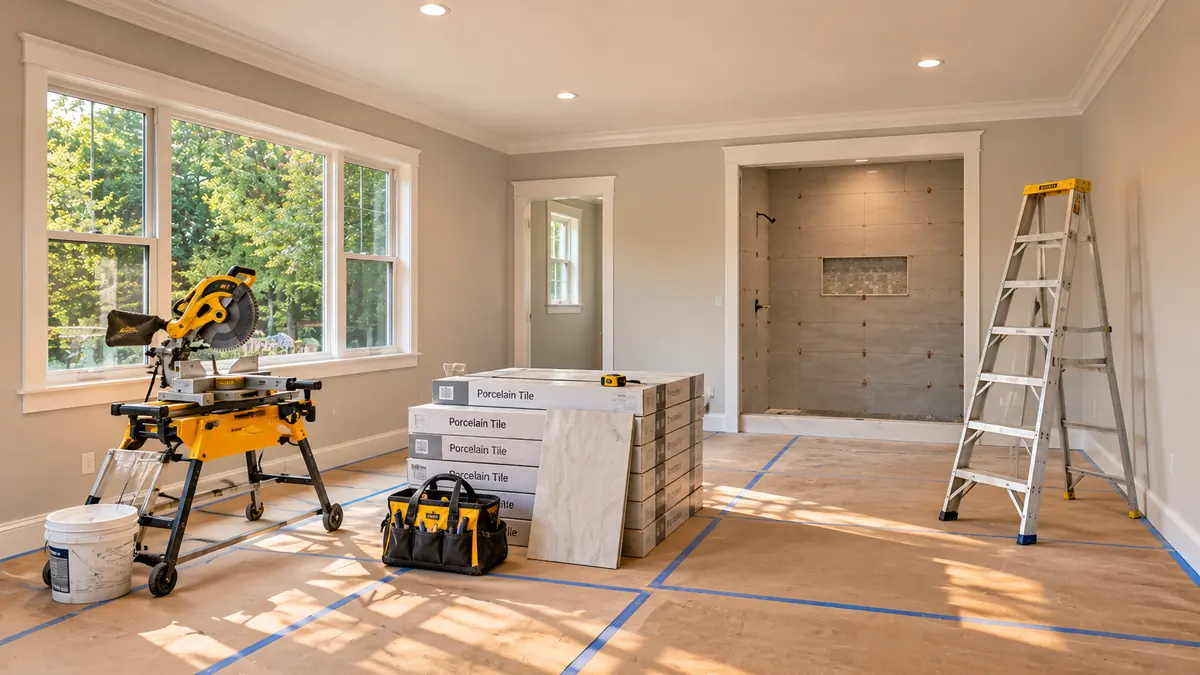
Why people buy fixer-uppers
Fixer-uppers appeal for good reasons. The price is lower than a finished house in the same neighborhood. You get to make the choices on finishes. And if the structure is sound, the improvements you make can build equity. In and around Burlington, there are plenty of older houses that were built well and neglected: brick ranches with outdated kitchens, mill-village homes with original floors, farmhouses with additions that no longer fit together.
The risk is the unknown. A house that looks like it needs paint and flooring may also need a roof, a new heating system, rewiring or foundation repairs. Those are the expenses that wreck budgets. A realistic scope, before you commit, is the best protection.
What we look at in a fixer-upper
- Structure: foundation cracks, sagging floors, wall movement and signs of past repairs.
- Moisture: stains, musty smells, soft floors, damp crawl spaces and drainage around the house.
- Systems: age and condition of roof, heating and cooling, electrical panel and plumbing.
- Layout: whether the plan can work for you, and what it costs to change it.
- Finishes: how much is cosmetic and how much needs to be removed and rebuilt.
- Hidden hazards: older materials that need special handling, which we flag so you can bring in the right specialists.
Our approach
- Walk the house with you, either before purchase or right after closing.
- List what we see, sorted into safety, structure, systems and finishes.
- Estimate each group so you can compare the cost of repair against your budget.
- Prioritize: what must be done first and what can wait.
- Build a sequence that puts the structural and system work ahead of the cosmetic work.
- Carry out the work in phases, keeping you informed as conditions change.
The order matters
The cardinal rule of fixer-uppers is to do the invisible work first. A new kitchen installed under a leaking roof is wasted. New floors laid over a damp crawl space will fail. Fresh paint over water-stained drywall will show the stain again. We start with the envelope and the systems, then move inside to walls and floors, and finish with paint, trim and fixtures.
This is also why we like to see a house before the final purchase decision when possible. A walk through with a remodeler is not a substitute for a home inspection, but it adds a different view: what will it take to make this house what you want.
Budgeting honestly
Whatever number you have in mind, keep a reserve. Older homes have surprises, and it is better to have money set aside than to stop in the middle. We structure estimates to show known work and allowances for likely unknowns. We will also tell you plainly when a house looks like it will cost more to fix than it is worth. That is a hard thing to hear, but it is better to hear it early.
Common first projects
Many buyers begin with the most pressing and most visible work: bathrooms, flooring and kitchen. For bathrooms see bathroom remodeling. For floors see flooring installation. If you plan a larger update across the house, see home renovation. For repairs after water problems see water damage repair.
Financing and timing
Some lenders offer loans that bundle purchase and renovation costs, and they often require a written scope and estimate. We can provide a clear written scope for that purpose. Talk to your lender early so the timeline lines up with closing.
Questions we hear on the phone
Short answers to what callers ask most. Call if yours is not here.
Can you look at a house before I buy it?
Call and ask. We can discuss whether a visit makes sense for your timeline.
Is this a replacement for a home inspection?
No. A licensed home inspector gives a formal report. We give a remodeler's view of what it would take to renovate.
How much should I reserve for surprises?
It varies with the house. We will talk about a sensible cushion based on what we see.
Can you renovate in phases while I live there?
Yes, with planning. We sequence the work so the house stays usable.
Related services
Tell us about your project.
Call and we will schedule your estimate.